
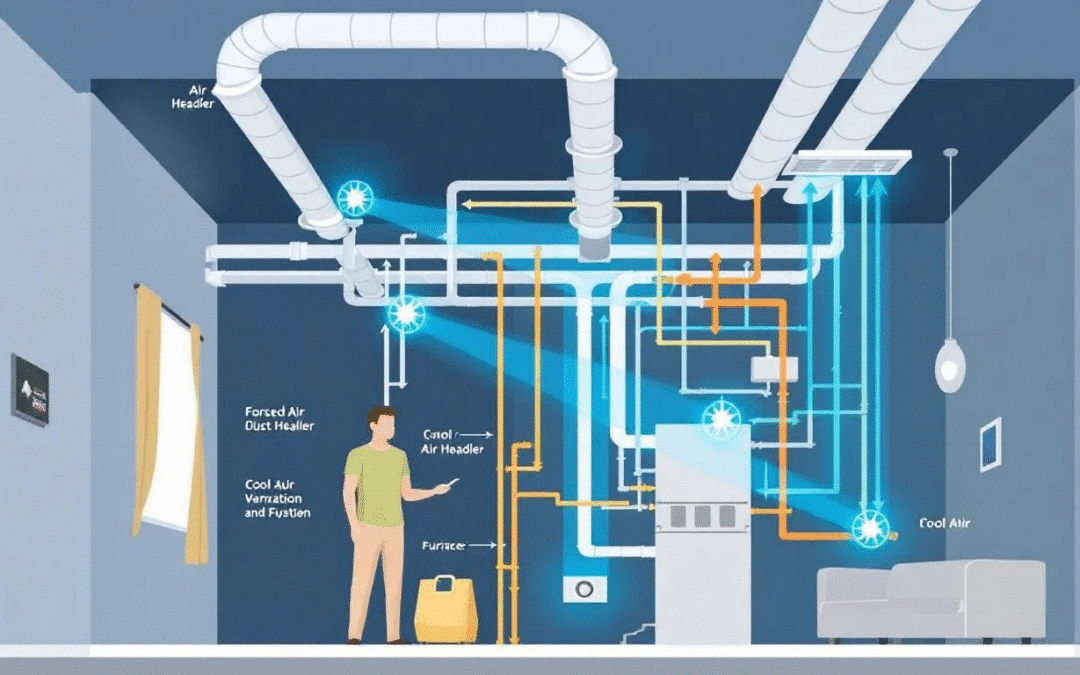
When it comes to maintaining a comfortable and energy-efficient home, proper HVAC installation plays a crucial role. HVAC, which stands for Heating, Ventilation, and Air Conditioning, is the backbone of indoor climate control. A correctly installed system not only ensures comfort but also reduces energy bills and prolongs the lifespan of your equipment. Understanding the process of HVAC installation, the factors that influence it, and how to choose the right professionals can save homeowners both time and money heating and air in Knoxville tn.
Understanding HVAC Installation
HVAC installation involves more than simply placing a unit in your home. It requires careful planning, precise measurement, and expert execution. The system must be properly sized for your living space, and ductwork should be designed to allow optimal airflow. Improper installation can lead to issues like uneven heating or cooling, higher energy consumption, and frequent system breakdowns.
There are several types of HVAC systems, including central air systems, ductless mini-splits, and heat pumps. Each system has unique installation requirements:
-
Central air systems typically require extensive ductwork. Proper placement of vents and returns is essential to maintain even temperature distribution.
-
Ductless mini-split systems are ideal for homes without existing ductwork. Installation involves mounting an indoor unit and connecting it to an outdoor condenser.
-
Heat pumps function as both heaters and air conditioners. Installation must account for seasonal climate changes to ensure year-round efficiency.
Steps in a Professional HVAC Installation
A professional HVAC installation generally follows these steps:
-
Assessment and Planning: A licensed HVAC contractor evaluates your home’s size, insulation, and existing infrastructure. They perform a load calculation to determine the right system size.
-
Selecting the Right Equipment: Choosing the correct HVAC unit is crucial. Factors include energy efficiency ratings, system type, and the specific needs of your household.
-
Ductwork Installation or Modification: If installing a central air system, ducts must be properly sealed and insulated. Leaky or poorly designed ducts can lead to energy loss and inconsistent temperatures.
-
Unit Placement: The outdoor condenser and indoor components must be strategically positioned to maximize efficiency and accessibility.
-
Electrical and Refrigerant Connections: HVAC systems require precise electrical wiring and proper refrigerant charging. These steps must comply with safety standards and manufacturer guidelines.
-
System Testing and Balancing: Once installed, the system is tested for proper operation. Airflow, temperature consistency, and overall system performance are verified to ensure efficiency.
-
User Training and Maintenance Guidance: Professional installers provide instructions on thermostat use, filter replacement, and preventive maintenance to extend the system’s lifespan.
Benefits of Proper HVAC Installation
A professionally executed HVAC installation offers several advantages:
-
Enhanced Energy Efficiency: Correct installation ensures that the system operates at peak efficiency, lowering energy bills.
-
Improved Comfort: Proper airflow and temperature regulation make living spaces more comfortable throughout the year.
-
Reduced Repair Costs: A well-installed system experiences fewer breakdowns, saving homeowners from expensive repairs.
-
Extended System Lifespan: Equipment that is installed correctly tends to last longer, providing better value over time.
-
Increased Property Value: Homes with professionally installed HVAC systems are more appealing to buyers.
Choosing the Right HVAC Installation Professional
Selecting the right HVAC contractor is critical. Here are key factors to consider:
-
Licensing and Certification: Ensure the installer is licensed and certified to handle HVAC systems in your area.
-
Experience: Look for contractors with proven experience in HVAC installation, preferably with positive reviews and references.
-
Transparent Pricing: Request detailed quotes that outline labor, equipment, and additional costs.
-
Maintenance Services: Choose a company that offers ongoing maintenance to keep your system running efficiently.
Common Mistakes to Avoid
Even small mistakes during HVAC installation can lead to long-term issues. Common pitfalls include:
-
Choosing the wrong system size
-
Poor ductwork design or sealing
-
Improper refrigerant charging
-
Incorrect placement of indoor or outdoor units
Avoiding these mistakes by hiring a professional ensures your system performs efficiently and reliably.
Conclusion
Investing in quality HVAC installation is essential for home comfort, energy efficiency, and system longevity. Whether installing a central air system, a ductless unit, or a heat pump, professional planning and execution make all the difference. By understanding the installation process, recognizing the benefits, and choosing the right contractor, homeowners can enjoy a comfortable indoor environment year-round while protecting their investment.
Proper HVAC installation isn’t just about equipment—it’s about creating a system that keeps your home comfortable, energy-efficient, and reliable for years to come.