
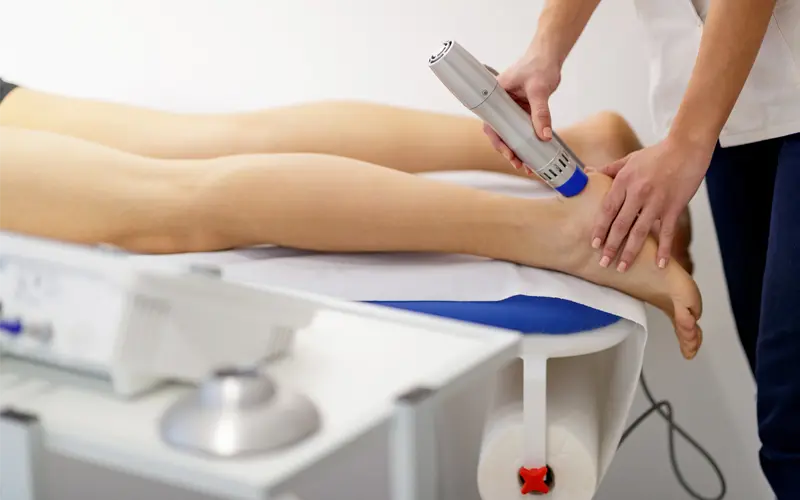
In the ever-evolving world of modern medicine, few treatments have created as much excitement as Extracorporeal Shock Therapy (ESWT). Once primarily known for breaking down kidney stones, this innovative therapy has now become a powerful, non-invasive solution for chronic pain, soft tissue injuries, and even certain vascular conditions.
For individuals struggling with persistent discomfort that refuses to respond to traditional treatments, extracorporeal shock therapy offers renewed hope. Let’s explore what makes this therapy so unique, how it works, and why it’s becoming a preferred option for patients and healthcare professionals alike.
What Is Extracorporeal Shock Therapy?
Extracorporeal Shock Therapy is a non-surgical treatment that uses high-energy acoustic waves to stimulate healing within injured or painful areas of the body. The word “extracorporeal” simply means “outside the body,” which reflects how the shock waves are generated externally and directed toward the affected tissue.
Unlike surgery, ESWT does not involve incisions, anesthesia in most cases, or long recovery periods. It is typically performed in an outpatient setting and takes only a short amount of time per session.
How Does Shock Wave Therapy Work?
At first glance, the term “shock wave” may sound intimidating. However, the process is carefully controlled and clinically tested for safety.
1. Stimulating Blood Flow
The acoustic waves penetrate deep into tissues, increasing circulation in the targeted area. Improved blood flow means more oxygen and nutrients reach damaged cells, accelerating natural healing.
2. Promoting Tissue Regeneration
Shock waves trigger the body’s repair mechanisms by stimulating the production of collagen. Collagen is a key protein responsible for rebuilding tendons, ligaments, and other connective tissues.
3. Breaking Down Calcifications
In conditions like calcific tendinitis, calcium deposits build up in soft tissues. ESWT helps break down these deposits, reducing pain and restoring mobility.
4. Reducing Chronic Pain
The therapy can disrupt pain signals sent to the brain while also encouraging the release of natural pain-relieving substances within the body.
Common Conditions Treated with ESWT
Extracorporeal shock therapy is widely used in orthopedics, sports medicine, urology, and rehabilitation clinics. Some of the most common conditions treated include:
Plantar Fasciitis
One of the leading causes of heel pain, plantar fasciitis often becomes chronic when untreated. ESWT can significantly reduce inflammation and stimulate healing in the plantar fascia ligament.
Tennis Elbow and Golfer’s Elbow
Repetitive strain injuries affecting the elbow respond well to shock wave therapy, particularly when traditional treatments have failed.
Achilles Tendinopathy
Athletes frequently experience Achilles tendon injuries. ESWT promotes tissue regeneration, helping individuals return to activity faster.
Shoulder Tendinitis
Calcific deposits in the shoulder can cause severe pain and limited range of motion. Shock therapy helps dissolve these deposits and restore function.
Erectile Dysfunction
In recent years, low-intensity extracorporeal shock therapy has gained attention as a non-invasive option to improve blood flow and vascular health in men experiencing erectile dysfunction.
What to Expect During Treatment
A typical ESWT session lasts between 15 to 30 minutes. A gel is applied to the skin to help transmit the shock waves, and a handheld device is used to deliver the pulses directly to the treatment area.
Some patients report mild discomfort during the procedure, but it is generally well tolerated. Most treatment plans include multiple sessions spaced over several weeks for optimal results.
One of the biggest advantages? There is little to no downtime. Patients can often resume normal activities shortly after treatment.
Benefits of Extracorporeal Shock Therapy
Non-Invasive and Safe
No surgical risks, no incisions, and minimal side effects make ESWT an appealing alternative to invasive procedures.
Faster Recovery
By stimulating natural healing, the therapy often reduces recovery time compared to conventional methods.
Long-Lasting Results
Many patients experience sustained improvement even after completing their treatment sessions.
Reduced Need for Medication
With pain relief achieved through biological stimulation rather than drugs, patients may rely less on pain medications.
Are There Any Side Effects?
Extracorporeal shock therapy is considered safe when performed by trained professionals. Some individuals may experience mild swelling, redness, or temporary soreness at the treatment site. These effects usually resolve within a few days.
However, ESWT may not be suitable for pregnant women, individuals with certain blood clotting disorders, or those with infections in the treatment area. A thorough medical evaluation is essential before beginning therapy.
Why ESWT Is Changing Modern Medicine
The growing popularity of extracorporeal shock therapy reflects a broader shift toward regenerative medicine — treatments that harness the body’s own ability to heal. Rather than masking symptoms, ESWT addresses the root cause of pain and dysfunction.
For athletes eager to return to competition, office workers battling repetitive strain injuries, or individuals seeking non-surgical alternatives, shock wave therapy represents a breakthrough. It bridges the gap between conservative treatment and invasive surgery, offering an effective middle ground.
Final Thoughts
Extracorporeal Shock Therapy stands as a remarkable example of how technology and biology can work together to enhance healing. Safe, efficient, and backed by scientific research, ESWT continues to transform the way chronic pain and soft tissue injuries are treated.
If you or someone you know has been living with persistent pain that hasn’t responded to traditional treatments, extracorporeal shock therapy may offer the relief you’ve been searching for. Modern medicine is no longer just about managing pain — it’s about restoring quality of life, naturally and effectively.