
 AbdulRauf
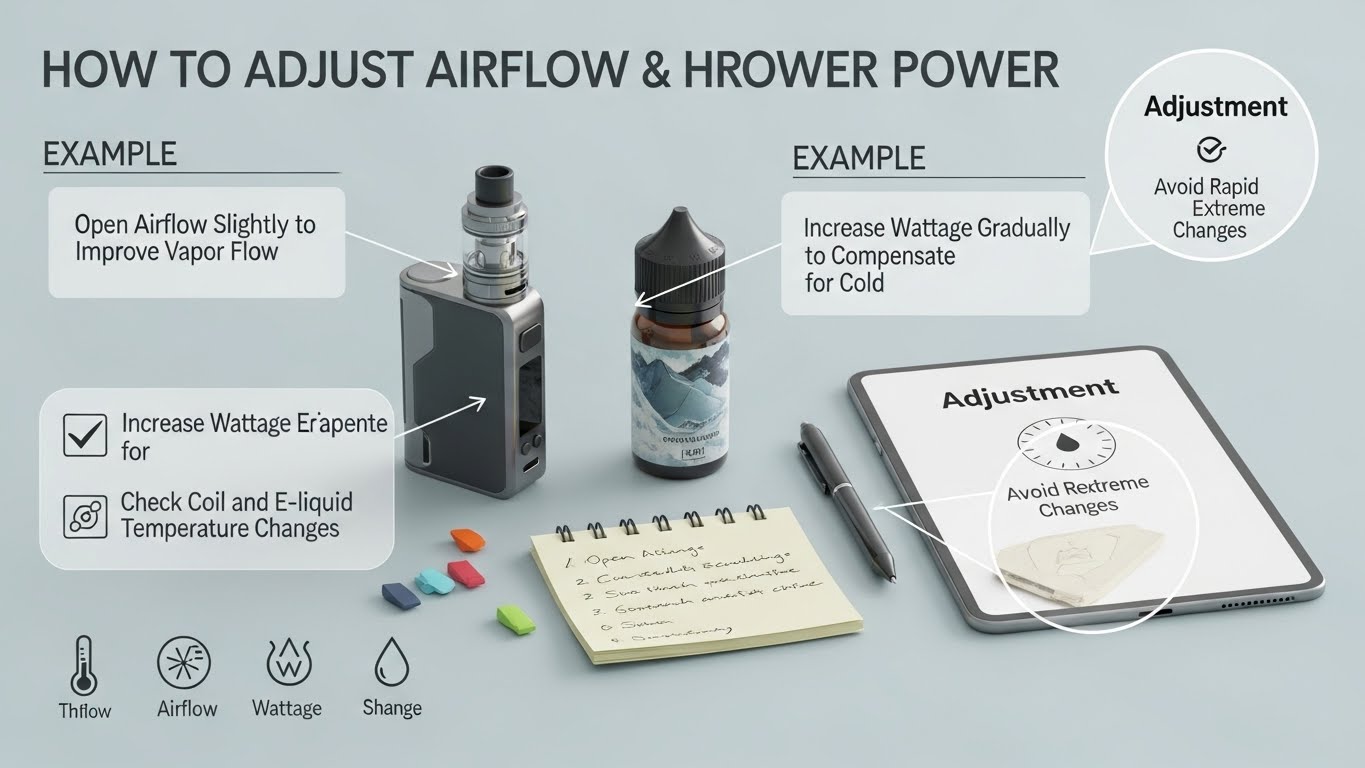 Achieving and maintaining a comfortable indoor climate, especially during the sweltering summer months, often hinges on the efficient adjustment of airflow and power for cold air. Whether you’re using an air conditioning unit, central air system, or even a portable fan, understanding how to optimize these elements can make a significant difference in your comfort and energy efficiency. In this article, we’ll explore practical strategies to help you adjust airflow and power effectively for cold air. Click here: https://e-liquids.com/collections/vape-juice
Understanding Airflow and Power
What is Airflow?
Airflow refers to the movement of air within your space. It’s crucial for maintaining temperature and humidity levels, enhancing indoor air quality, and ensuring comfort. In HVAC systems, airflow is measured in cubic feet per minute (CFM) and can be influenced by various factors including duct size, fan speed, and air filter condition. Read more: https://e-liquids.com/collections/vape-kits
What is Power?
Power refers to the energy consumption of your cooling system. It is typically measured in watts. Understanding how to manage power usage can help you reduce energy bills while still enjoying a cool and comfortable environment.
The Importance of Proper Airflow Adjustment
Enhanced Comfort
Proper airflow ensures that cold air circulates effectively throughout your space, preventing hot spots and maintaining a consistent temperature. When airflow is optimized, you can enjoy a cooler environment without overworking your air conditioner.
Energy Efficiency
By adjusting airflow correctly, you can maximize the efficiency of your cooling system. This not only lowers your energy bills but also extends the lifespan of your unit, reducing the need for repairs or replacements.
How to Adjust Airflow for Cold Air
1. Check Your Vents and Registers
Inspect for Blockages: Ensure that your vents and registers are free from obstructions such as furniture, curtains, or dirt. Blocked vents can severely restrict airflow, making it difficult for cold air to circulate.
Adjust the Louvers: Many vents come with adjustable louvers. Experiment with these settings to direct airflow where it’s needed most, whether that’s towards living areas, bedrooms, or other spaces.
2. Balance Airflow Across Rooms
Use Dampers: If you have a central air system, consider using dampers in your ductwork to balance airflow. This allows you to direct more cold air to rooms that need it while reducing airflow to areas that are already cool.
Close Unused Rooms: If certain rooms are rarely used, close the vents in those spaces to redirect airflow to areas where it’s more necessary.
3. Adjust Fan Speed
Increase Fan Speed: If your system allows, increase the fan speed during extremely hot days. A higher fan speed can help distribute cold air more rapidly and effectively throughout your space.
Use a Programmable Thermostat: Invest in a programmable thermostat that can adjust fan speed based on temperature settings. This automation helps maintain a steady climate without manual intervention.
Managing Power Consumption
1. Set the Right Temperature
Ideal Temperature Settings: The U.S. Department of Energy recommends setting your thermostat to 78°F (26°C) when you’re at home and awake. This balance can help keep your space comfortable while minimizing energy consumption.
2. Utilize Energy-Saving Modes
Energy-Efficient Models: If you have a modern air conditioning unit, take advantage of energy-saving modes. These settings often optimize the compressor and fan operation, reducing power usage while still providing adequate cooling.
3. Regular Maintenance
Change Air Filters: Dirty filters can restrict airflow and cause your system to work harder, increasing power consumption. Check and change your air filters regularly, ideally every 1-3 months.
Schedule Professional Maintenance: Regular servicing of your HVAC system can identify and fix issues that may be affecting airflow and power efficiency. A professional can also clean the coils and check the refrigerant levels to ensure optimal performance.
Conclusion
Adjusting airflow and power for cold air is essential for maximizing comfort and efficiency in your indoor environment. By following the strategies outlined in this article, you can create a pleasant atmosphere while keeping energy costs in check. Remember, maintaining proper airflow not only enhances comfort but also prolongs the life of your cooling system. Take the time to assess your setup, make necessary adjustments, and enjoy a cooler, more efficient home.
